Speakers
Questions can be directed to info@ipda.ca

Dr. Kimberley Amirault-Ryan
Performance Consultant to the NHL, NBA, and Olympians | Executive Coach
Dr. Kimberley Amirault-Ryan lives by her philosophy of embracing challenges and pushing boundaries to achieve our highest potential. She’s worked in professional sport since 2001,becoming the first and only woman to be the Performance Consultant with the New York Rangers, New York Knicks, Columbus Blue Jackets and Edmonton Oilers. Amirault-Ryan has worked at five Olympic Games with the Canadian Gold Medal-winning teams of Women's Hockey, Cross Country Skiing, and Speedskating. She was also the Lead of Sport Psychology for Canada’s entire Olympic team for the 2010, 2012 and 2014 Olympics. For her ground-breaking work Amirault-Ryan has been recognized by the likes of the Globe and Mail's “Top Power 50” list and WXN Canada's “Top 100 Most Powerful Women”. Companies worldwide, including Fortune 500 companies Walmart, VISA, Johnson & Johnson, General Mills and Royal Dutch Shell, have hired Amirault-Ryan to help motivate them to lead under pressure and achieve sustained high performance.
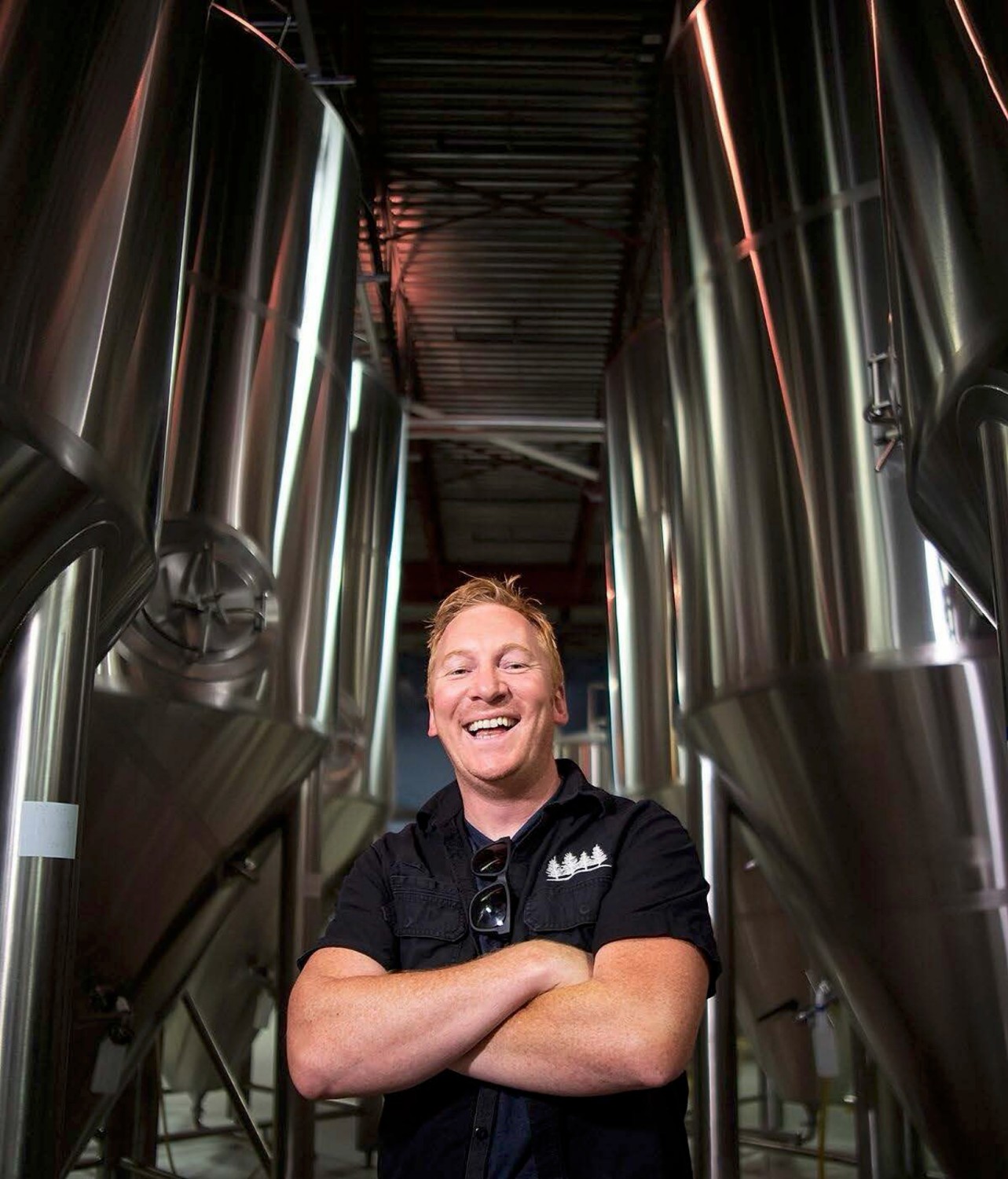
Graham Sherman
Multi-Award-Winning Entrepreneur and Leader | Innovator
Graham Sherman is a self-professed “high level geek” who used his love of technology to disrupt an entire industry. In 2013, Sherman took homebrewing “too far” when he launched the Tool Shed Brewing Company. What was originally a hobby housed in his backyard tool shed is now a 22,000 square foot brewery with product sold in over 1000 locations. Speaking on his bumpy entrepreneurial journey, Sherman’s passion comes through in every talk as he shows
audiences how to harness disruption to transform their lives. Prior to starting Tool Shed, Sherman, along with his business partner, worked on contracts for
the Canadian and US governments and military forces, installing encrypted, tactical communication networks. By day, they rolled around Afghanistan in armoured vehicles, “geeking out” in the world of satellite communications. By night, they aimed their obsessive, high-level thinking at mastering everyday tasks such as roasting their own coffee beans and brewing the perfect cuppa, learning to control their homes in Canada remotely with their
iPhones, and finally, perfecting batches of beer.
After quitting his well-paying, stable government job to jump head-first into the craft brewing industry, Sherman quickly learned that his new-found vocation was actually illegal in his home province of Alberta. So, he changed his game plan from simply brewing craft beer to disrupting the industry. It took one year of relentless perseverance for the Alberta Gaming and Liquor Corporation to change their legislation. It was through this process he learned the importance of adaptability, resiliency, and collaboration in any success story, and it is these traits that helped his brewery see sustained success throughout a difficult pandemic. Sherman has been nominated for Canadian Entrepreneur of the Year, was named one of Calgary’s 2016 “Top 40 Under 40” by Avenue magazine, and won the 2018 Business in Calgary Leaders Award.
Trevor Billows
Project Manager
PCL
https://www.linkedin.com/in/trevorbillows/
Delivering a Big Wastewater Plant for a Small Town – Early Alignment, Collaboration, and Technology turning Challenges into Shared Success.
The Kimberley WWTP (KWWTP) project team faced many challenges common to large infrastructure projects: major technology decisions, site locations, evolving design requirements, permitting uncertainty, schedule pressures, and the need to align numerous stakeholders behind a common goal. Rather than relying on traditional project silos, the project team embraced Integrated Project Delivery from the earliest stages, bringing together the owner, designers, constructors, operators, and key partners to solve the project's most important questions. It is that the team deliberately invested in people, technology, and relationships early, allowing them to solve major project decisions collaboratively and faster than would be possible in a traditional delivery model.
This session will be set up as a panel discussion and will explore how early involvement, collaborative and transparent decision-making, technology tools, and a commitment to "Best for Project, Best for All" created tangible project results. Panelists will share how major validation decisions were addressed through interdisciplinary collaboration, how plant operators influenced design from day one, and how digital tools such as dashboards, Revizto, DroneDeploy, and production tracking improved communication, speed of decision-making, and team alignment. The discussion will also examine how strategic self-perform work and long-standing industry relationships enabled greater certainty, control, and value creation for the project.
Attendees will hear honest perspectives from the owner, designer, constructor, and operations teams on what worked, what was challenging, and what measurable benefits resulted from putting project goals ahead of organizational interests. The session will provide practical lessons for organizations seeking to build stronger teams, improve collaboration, and achieve better project outcomes through IPD.

Darlene Cadman
IPD Consulting Specialist, Architect
Weft Strategies
https://www.linkedin.com/in/darlene-cadman-a2145232/. Darlene Cadman is a collaborative delivery advisor specializing in Integrated Project Delivery (IPD), Lean Construction, and Target Value Delivery (TVD).
Over the past 12+ years, she has helped owners, architects, engineers, contractors, and trade partners implement collaborative delivery strategies that improve cost certainty, schedule performance, innovation, and team outcomes on complex capital projects.
As an architect with more than 25 years of industry experience, Darlene brings a unique perspective that bridges design, construction, project governance, procurement, and team performance. She works with executive leadership teams, project management teams, and multidisciplinary project clusters to align stakeholders around shared goals and measurable outcomes.
Darlene is recognized for helping organizations move beyond traditional project delivery methods and create collaborative environments where teams can achieve exceptional project outcomes.
Excellence in Cost Modelling
Cost transparency and Target Value Delivery (TVD) are foundational to IPD, but establishing a target cost is only the beginning. This session will explore the practical realities of cost modelling within a collaborative contract environment, including how teams establish and manage target cost, use the cost model to support TVD throughout design, align accounting and reporting practices across multiple organizations, and create shared accountability for project financial performance.
Drawing on lessons learned from active IPD projects, the presenters will discuss what has worked, where ambiguity continues to exist, and how differing definitions of cost, profitability, and success can affect an integrated team. The session will also explore the tools and practices that help bridge these gaps, from collaborative estimating platforms and cost management tools to stronger alignment between project teams and corporate finance functions.
The focus will be on practical approaches to Target Value Delivery and cost management that enable teams to make transparent, informed decisions while maintaining accountability to the target and recognizing the commercial realities of participating organizations, reinforcing the conference theme and principle of Best for Project, Best for All.

Stephani Carter
President, Canada Region STOK and President IPDA
STOK
Steven Childs
Director, Preconstruction
Clark Builders
https://www.linkedin.com/in/steven-childs-28518234/
Steven is an experienced preconstruction leader with a Gold Seal certification in project management and more than three million square feet of completed project experience. In his role as Director of Preconstruction, he works closely with clients, consultants, trade partners and project teams to establish strong foundations for successful project delivery. Steven brings a collaborative and practical approach to preconstruction, helping teams navigate complex project requirements, align around cost and value, and translate client objectives into executable project strategies.
Excellence in Cost Modelling
Cost transparency and Target Value Delivery (TVD) are foundational to IPD, but establishing a target cost is only the beginning. This session will explore the practical realities of cost modelling within a collaborative contract environment, including how teams establish and manage target cost, use the cost model to support TVD throughout design, align accounting and reporting practices across multiple organizations, and create shared accountability for project financial performance.
Drawing on lessons learned from active IPD projects, the presenters will discuss what has worked, where ambiguity continues to exist, and how differing definitions of cost, profitability, and success can affect an integrated team. The session will also explore the tools and practices that help bridge these gaps, from collaborative estimating platforms and cost management tools to stronger alignment between project teams and corporate finance functions.
The focus will be on practical approaches to Target Value Delivery and cost management that enable teams to make transparent, informed decisions while maintaining accountability to the target and recognizing the commercial realities of participating organizations, reinforcing the conference theme and principle of Best for Project, Best for All.
Ryan Christensen
General Contractor
Delnor
Ryan Christensen, P.Eng., GSC, is a Team Lead and Principal at Delnor Construction and Chair of the Edmonton Construction Association, bringing nearly two decades of engineering and project management leadership to complex commercial builds.
Sprint to Success: How Gamified Co-Creation Delivered "Best for All" in Record Time
When the City of Fort Saskatchewan needed to validate a new 52,500 sq. ft. aquatics facility under a tight pre-election deadline, the IPD team couldn’t afford standard timeline lag. Before validation could even kick off, we needed to lock in the optimal building location—one that balanced immediate project needs with long-term community master planning.
Enter the Conceptual Sprint Process! In just three weeks (what conventionally can take months), the team gathered comprehensive data—from rough-order costing and utility mapping to cut-and-fill estimates and community feedback. Then came the fun part: equipped with physical massing blocks and to-scale site maps, cross-functional IPD and City stakeholder teams went head-to-head in a fast-paced, collaborative design challenge. Together, they brainstormed and stress-tested solutions for adjacencies, parking, and site impacts, all tethered in real-time to the target budget.
The result? High-speed alignment, rich data-driven decisions, and a whole lot of creative energy. Join us for a lively look at how gamifying early-stage conceptual planning delivers serious results—proving that "Best for Project, Best for All" can also be the best time you’ll have in a workshop!
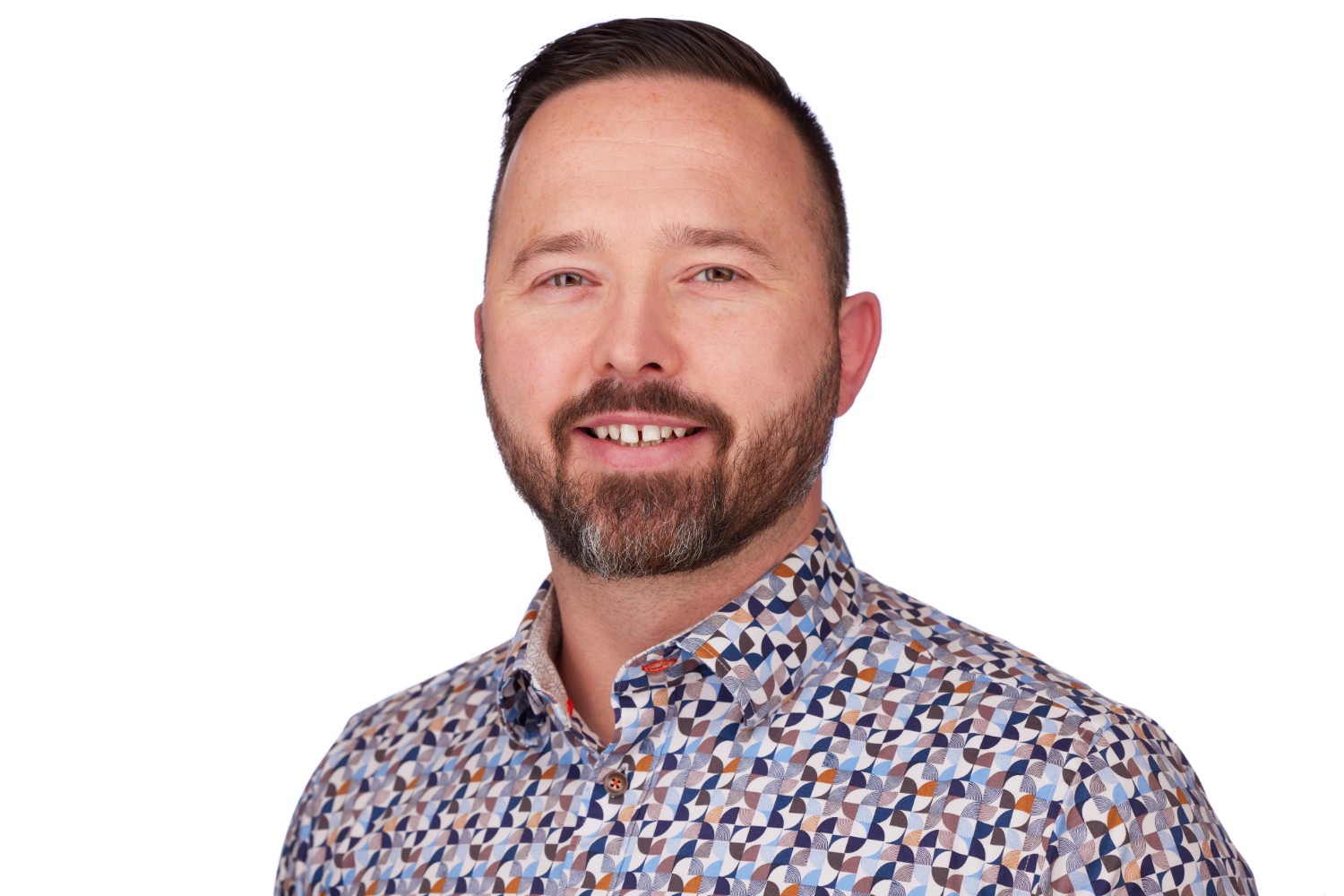
Dan Eckert
Preconstruction Manager, and Collaborative Delivery Practice Lead – Estimating
Clark Builders
https://www.linkedin.com/in/dan-eckert-cet-09598556/
Dan is a preconstruction leader and recognized specialist in Integrated Project Delivery (IPD), with particular expertise in collaborative estimating, cost planning and preconstruction strategy. As one of Clark Builders’ leading IPD practitioners, he supports teams in developing integrated approaches to cost, value and decision-making and shares his expertise nationally across the organization and broader industry. Dan was recognized with the Edmonton Construction Association’s 2024 Impact Award for his contributions to the Professional Estimators Group and his commitment to advancing the construction industry.
Excellence in Cost Modelling
Cost transparency and Target Value Delivery (TVD) are foundational to IPD, but establishing a target cost is only the beginning. This session will explore the practical realities of cost modelling within a collaborative contract environment, including how teams establish and manage target cost, use the cost model to support TVD throughout design, align accounting and reporting practices across multiple organizations, and create shared accountability for project financial performance.
Drawing on lessons learned from active IPD projects, the presenters will discuss what has worked, where ambiguity continues to exist, and how differing definitions of cost, profitability, and success can affect an integrated team. The session will also explore the tools and practices that help bridge these gaps, from collaborative estimating platforms and cost management tools to stronger alignment between project teams and corporate finance functions.
The focus will be on practical approaches to Target Value Delivery and cost management that enable teams to make transparent, informed decisions while maintaining accountability to the target and recognizing the commercial realities of participating organizations, reinforcing the conference theme and principle of Best for Project, Best for All.
Joey Farebrother
City of Fort Saskatchewan
Joey Farebrother has worked for the City of Fort Saskatchewan for over 15 years, supporting his community grow and thrive.
Sprint to Success: How Gamified Co-Creation Delivered "Best for All" in Record Time
When the City of Fort Saskatchewan needed to validate a new 52,500 sq. ft. aquatics facility under a tight pre-election deadline, the IPD team couldn’t afford standard timeline lag. Before validation could even kick off, we needed to lock in the optimal building location—one that balanced immediate project needs with long-term community master planning.
Enter the Conceptual Sprint Process! In just three weeks (what conventionally can take months), the team gathered comprehensive data—from rough-order costing and utility mapping to cut-and-fill estimates and community feedback. Then came the fun part: equipped with physical massing blocks and to-scale site maps, cross-functional IPD and City stakeholder teams went head-to-head in a fast-paced, collaborative design challenge. Together, they brainstormed and stress-tested solutions for adjacencies, parking, and site impacts, all tethered in real-time to the target budget.
The result? High-speed alignment, rich data-driven decisions, and a whole lot of creative energy. Join us for a lively look at how gamifying early-stage conceptual planning delivers serious results—proving that "Best for Project, Best for All" can also be the best time you’ll have in a workshop!
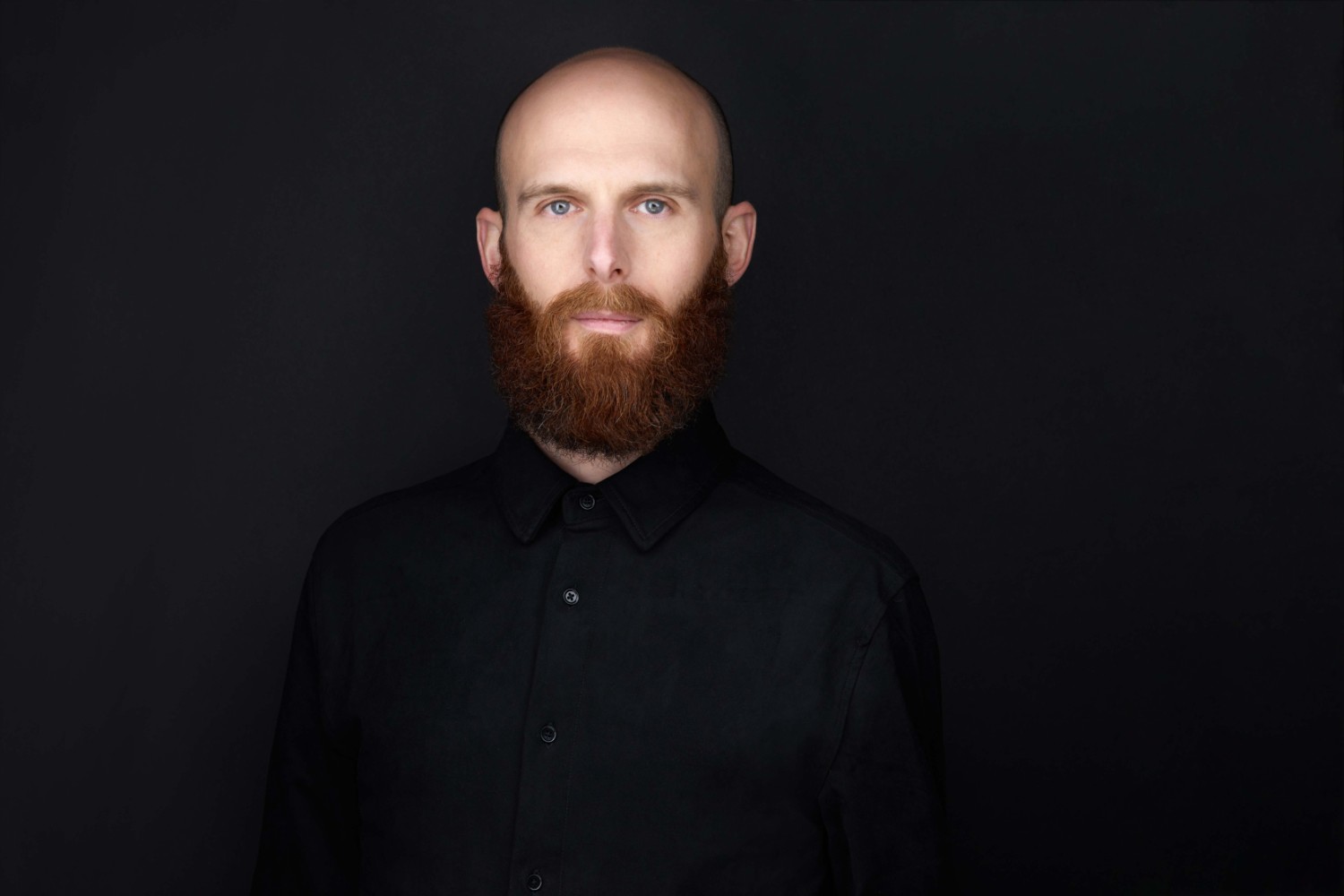
Stephen Faust
Associate, Architect
Group2 Architecture Interior Design Ltd.
https://www.linkedin.com/in/stephen-faust-76465027/
Stephen is a key contributor on Integrated Project Delivery (IPD) projects in recreation, transportation and municipal sectors. Through his experience on complex, multi-year projects, he has developed practical insight into project continuity, knowledge transfer, and maintaining momentum through team transitions.
Sprint to Success: How Gamified Co-Creation Delivered "Best for All" in Record Time
When the City of Fort Saskatchewan needed to validate a new 52,500 sq. ft. aquatics facility under a tight pre-election deadline, the IPD team couldn’t afford standard timeline lag. Before validation could even kick off, we needed to lock in the optimal building location—one that balanced immediate project needs with long-term community master planning.
Enter the Conceptual Sprint Process! In just three weeks (what conventionally can take months), the team gathered comprehensive data—from rough-order costing and utility mapping to cut-and-fill estimates and community feedback. Then came the fun part: equipped with physical massing blocks and to-scale site maps, cross-functional IPD and City stakeholder teams went head-to-head in a fast-paced, collaborative design challenge. Together, they brainstormed and stress-tested solutions for adjacencies, parking, and site impacts, all tethered in real-time to the target budget.
The result? High-speed alignment, rich data-driven decisions, and a whole lot of creative energy. Join us for a lively look at how gamifying early-stage conceptual planning delivers serious results—proving that "Best for Project, Best for All" can also be the best time you’ll have in a workshop!
When the Team Changes: Lessons in Continuity, Resilience, and Value in IPD. Keeping Projects Moving When People Move On
Almost all projects experience personnel turnover. Whether it is a multi-decade infrastructure program or a shorter-term capital project, owners and project teams must be prepared to maintain continuity when key individuals move on, and new team members join.
This session explores the realities of team turnover within Integrated Project Delivery (IPD), including challenges such as knowledge transfer, onboarding into established team cultures, and adapting to unfamiliar processes. It also highlights the strengths of the IPD model during transitions, including reduced contractual risk, clearly defined responsibilities, shared accountability, and access to a highly informed project team. Effective teams also capture and build institutional knowledge that extends beyond individual projects, allowing lessons, relationships, and proven practices to strengthen future initiatives.
Drawing on lessons learned from complex projects, attendees will gain practical strategies for preserving project knowledge, integrating new team members quickly, maintaining project momentum through periods of change and capturing knowledge for future projects.
This presentation aligns with the conference theme “Best for Project. Best for All.” by demonstrating how IPD teams can successfully navigate personnel changes while keeping project outcomes at the center of decision-making. When continuity is prioritized over individual interests, projects remain resilient, teams remain effective, and all stakeholders benefit from stronger long-term results.
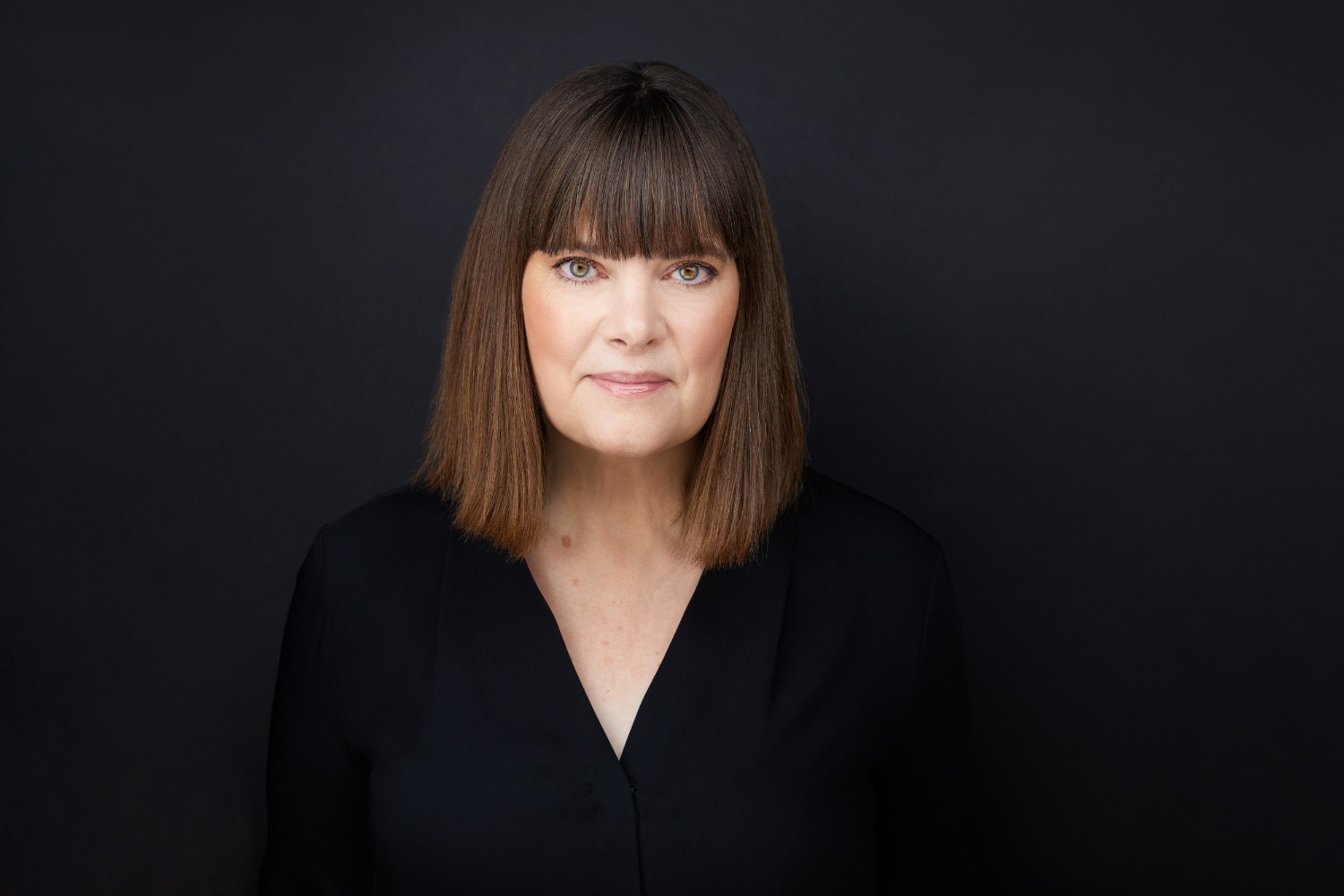
Anneliese Fris
Architect AAA AIBC OAA NSAA MRAIC - Principal
Group2 Architecture Interior Design Ltd.
With over a decade at Group2 Architecture Interior Design Ltd. Anneliese has led complex projects, utilizing skills in collaborative project management and design to create award-winning structures like the Capilano Library and South Haven Centre for Remembrance. Anneliese provides leadership and training in collaborative project delivery, particularly Integrated Project Delivery (IPD) across Canada. Her commitment to advancing collaboration, risk assessment, and financial tracking has been pivotal in the successful completion of multiple IPD projects. She is passionate about fostering design excellence and sustainability in urban and civic design spaces.
https://ca.linkedin.com/in/anneliese-fris-b3977914
When the Team Changes: Lessons in Continuity, Resilience, and Value in IPD. Keeping Projects Moving When People Move On
Almost all projects experience personnel turnover. Whether it is a multi-decade infrastructure program or a shorter-term capital project, owners and project teams must be prepared to maintain continuity when key individuals move on, and new team members join.
This session explores the realities of team turnover within Integrated Project Delivery (IPD), including challenges such as knowledge transfer, onboarding into established team cultures, and adapting to unfamiliar processes. It also highlights the strengths of the IPD model during transitions, including reduced contractual risk, clearly defined responsibilities, shared accountability, and access to a highly informed project team. Effective teams also capture and build institutional knowledge that extends beyond individual projects, allowing lessons, relationships, and proven practices to strengthen future initiatives.
Drawing on lessons learned from complex projects, attendees will gain practical strategies for preserving project knowledge, integrating new team members quickly, maintaining project momentum through periods of change and capturing knowledge for future projects.
This presentation aligns with the conference theme “Best for Project. Best for All.” by demonstrating how IPD teams can successfully navigate personnel changes while keeping project outcomes at the center of decision-making. When continuity is prioritized over individual interests, projects remain resilient, teams remain effective, and all stakeholders benefit from stronger long-term results.
Tyson Hippe
Strathcona County
Tyson Hippe is a Manager for Capital Projects with Strathcona County, representing the Owner on the Indoor Fieldhouse Project Management Team. He helped the County prioritize competing project values, particularly throughout the Validation Phase of the project.
LinkedIn: https://ca.linkedin.com/in/tyson-hippe-4a028ab
Putting the Project First: How Multiple Perspectives Shaped a Better Fieldhouse and Long-Span Roof Solution
The Strathcona County Indoor Fieldhouse project required a 73-metre clear-span roof to create an unobstructed volume accommodating a full-size soccer field, warm-up areas, and viewing areas. The structural framing and building envelope represented one of the largest single cost, performance, and aesthetic decisions on the $63M project. This presentation brings together the Owner (Strathcona County), Architect (Group2), Structural Engineer (DIALOG), and Steel Fabricator (Collins Steel) to share how an integrated team navigated competing priorities, project value tensions, and budget adversity to achieve a better outcome than any individual discipline could have developed alone.
Through the Validation phase, the team evaluated conventional and pre-engineered systems, alternative steel framing geometries and truss configurations, and envelope strategies as an integrated system rather than as separate scopes. The presentation will explore the IPD process, from each party’s “preferred solution” to the final design solution, highlighting how the team challenged assumptions, evaluated trade-offs, and ultimately put project outcomes ahead of individual interests. The team will also demonstrate how direct Owner participation in the Big Room helped reconcile conflicting objectives —including cost efficiency and long-term performance — allowing the team to align around the best solution for the project and move forward with confidence.
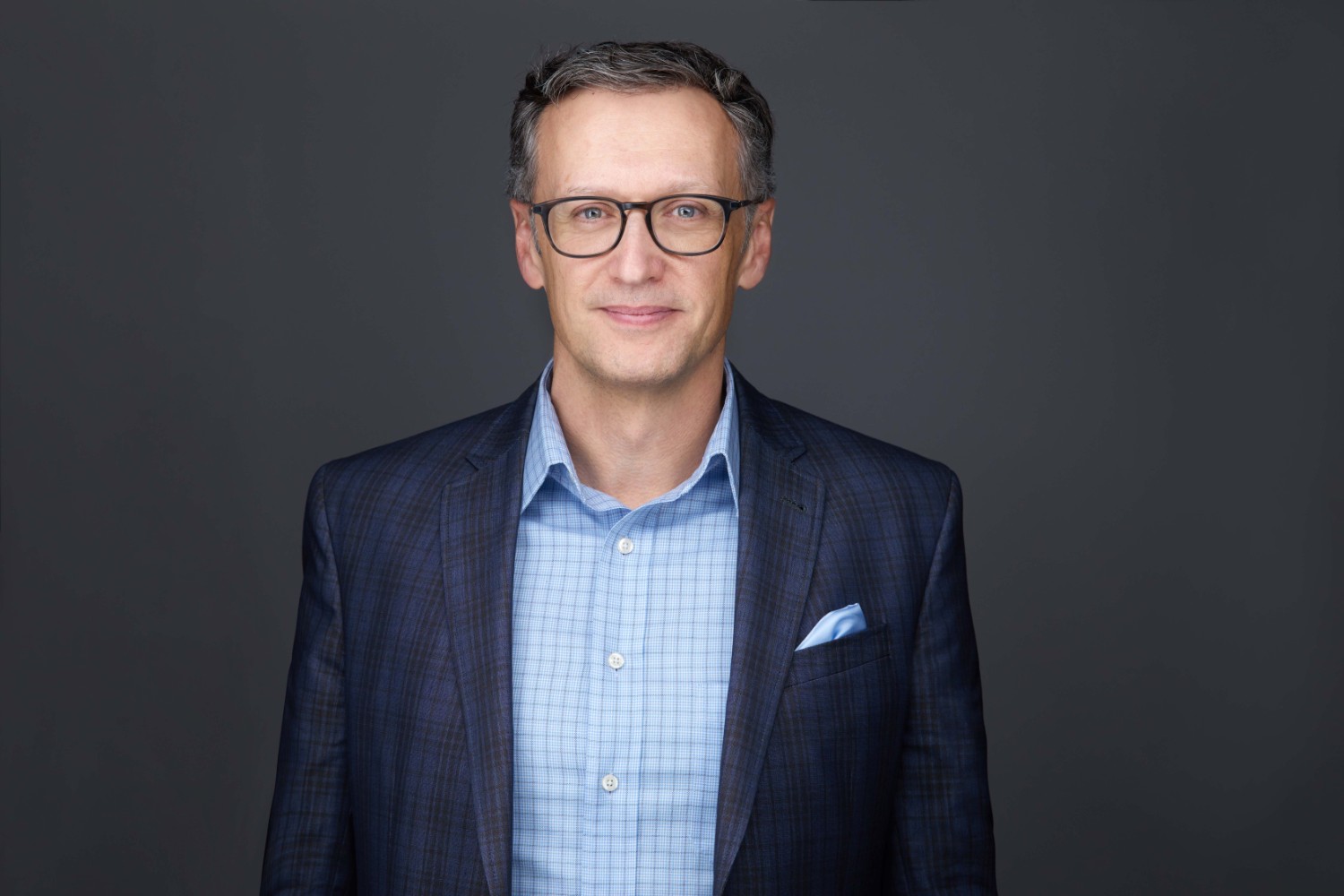
Gareth Leach
Director, Risk Management
Group2 Architecture Interior Design
Gareth Leach is Director, Risk Management at Group2 Architecture Interior Design, with 17 years at Group2 and more than 30 years in the industry across eight IPD projects. He holds memberships with the RAIC, CaGBC, IPDA, and DPRCG, and has brought extensive integrated-delivery experience to the Strathcona County Indoor Fieldhouse team.
LinkedIn: https://www.linkedin.com/in/gareth-leach-83a1412a/
Putting the Project First: How Multiple Perspectives Shaped a Better Fieldhouse and Long-Span Roof Solution
The Strathcona County Indoor Fieldhouse project required a 73-metre clear-span roof to create an unobstructed volume accommodating a full-size soccer field, warm-up areas, and viewing areas. The structural framing and building envelope represented one of the largest single cost, performance, and aesthetic decisions on the $63M project. This presentation brings together the Owner (Strathcona County), Architect (Group2), Structural Engineer (DIALOG), and Steel Fabricator (Collins Steel) to share how an integrated team navigated competing priorities, project value tensions, and budget adversity to achieve a better outcome than any individual discipline could have developed alone.
Through the Validation phase, the team evaluated conventional and pre-engineered systems, alternative steel framing geometries and truss configurations, and envelope strategies as an integrated system rather than as separate scopes. The presentation will explore the IPD process, from each party’s “preferred solution” to the final design solution, highlighting how the team challenged assumptions, evaluated trade-offs, and ultimately put project outcomes ahead of individual interests. The team will also demonstrate how direct Owner participation in the Big Room helped reconcile conflicting objectives —including cost efficiency and long-term performance — allowing the team to align around the best solution for the project and move forward with confidence.
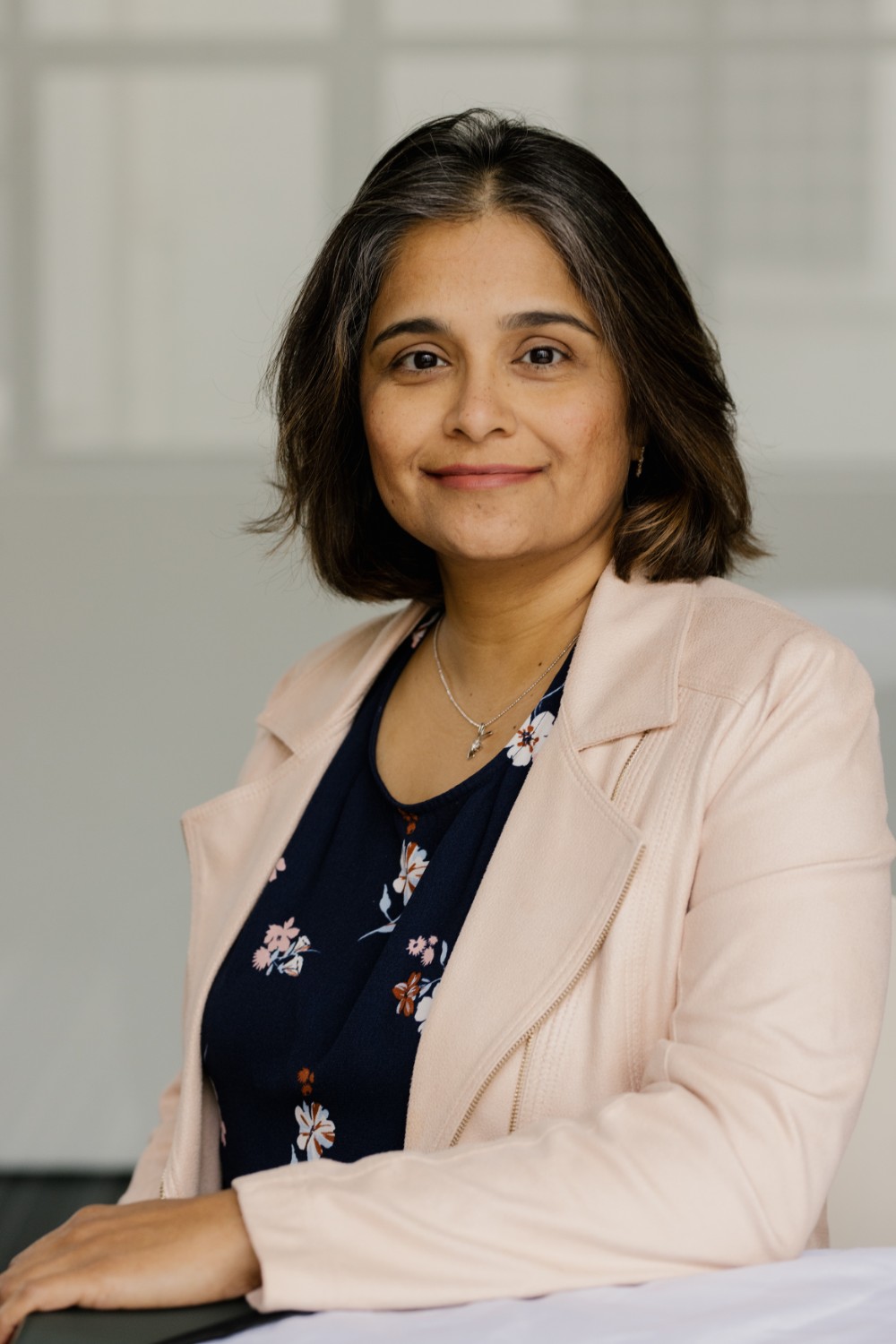
Meeta Lele
Architect AIBC, BArch, MArch, CAB (California)
Stantec
Meeta, with over 22 years of experience in designing complex projects, is a design-oriented architect with a solid background in leading institutional and commercial projects from concept to commissioning. She has designed diverse project types across North America and has led projects across a broad range of sectors including corporate and workspaces, science & technology, educational, industrial, retail, transit, and mixed-use developments. Meeta brings a progressive attitude to her role as an architect, whether in the area of energy efficiency or the use of technology in building design.
Meeta enjoys working closely with owners and stakeholders to navigate their projects through not only design and construction but also through the political and regulatory processes related to development such as public outreach, stakeholder engagement, planning approvals, and building permits. Her process-driven approach has won her praise on budget- and schedule-driven projects from clients and contractors alike.
Meeta Lele has been actively involved in Integrated Project Delivery (IPD) processes, contributing to multiple phases of the UFV Student Housing project including agenda planning, validation reporting, and Big Room coordination, where she served as an interim PIT lead and BIMx coordinator. As a core team member on the UFV Student Housing project, Meeta played a key role in design coordination and validation planning, modifying critical documents, and participating in stakeholder engagement and technical planning sessions.
https://www.linkedin.com/in/meeta-lele/details/experience/
Owner Readiness for IPD: Creating Conditions for Achieving Best for Project
"Best for Project, Best for All" captures the essence of Integrated Project Delivery: when stakeholders align around project outcomes rather than individual interests, everyone benefits. Yet many organizations enter their first IPD project without fully appreciating the owner's critical role in enabling that alignment.
This interactive panel brings together perspectives from owners, designers, constructors, and IPD advisors to explore what organizations need to know before initiating an IPD project. Over 45 minutes, panelists will share candid, experience-based insights on organizational readiness, leadership commitment, governance and decision-making structures, procurement approaches, team selection, and trust-building — the conditions that let integrated teams consistently make "best for project" decisions. The session closes with a 15-minute interactive Q&A, giving attendees the chance to engage directly with panelists on real-world owner readiness challenges.
Owner readiness is foundational to "Best for Project, Best for All": when owners establish the right leadership structures, decision-making processes, and collaborative culture from the outset, project partners are better positioned to align around shared goals, build trust, manage risk collectively, and create value for everyone at the table. By helping owners understand and prepare for this role, the session gives attendees practical, actionable strategies to create the conditions integrated teams need to deliver outcomes that are best for the project - and best for all.
Nik Morissette
Senior Manager of Operations
City of Kimberley
Delivering a Big Wastewater Plant for a Small Town – Early Alignment, Collaboration, and Technology turning Challenges into Shared Success.
The Kimberley WWTP (KWWTP) project team faced many challenges common to large infrastructure projects: major technology decisions, site locations, evolving design requirements, permitting uncertainty, schedule pressures, and the need to align numerous stakeholders behind a common goal. Rather than relying on traditional project silos, the project team embraced Integrated Project Delivery from the earliest stages, bringing together the owner, designers, constructors, operators, and key partners to solve the project's most important questions. It is that the team deliberately invested in people, technology, and relationships early, allowing them to solve major project decisions collaboratively and faster than would be possible in a traditional delivery model.
This session will be set up as a panel discussion and will explore how early involvement, collaborative and transparent decision-making, technology tools, and a commitment to "Best for Project, Best for All" created tangible project results. Panelists will share how major validation decisions were addressed through interdisciplinary collaboration, how plant operators influenced design from day one, and how digital tools such as dashboards, Revizto, DroneDeploy, and production tracking improved communication, speed of decision-making, and team alignment. The discussion will also examine how strategic self-perform work and long-standing industry relationships enabled greater certainty, control, and value creation for the project.
Attendees will hear honest perspectives from the owner, designer, constructor, and operations teams on what worked, what was challenging, and what measurable benefits resulted from putting project goals ahead of organizational interests. The session will provide practical lessons for organizations seeking to build stronger teams, improve collaboration, and achieve better project outcomes through IPD.
Randy Perry
Director, Project Management
Collins Steel
Randy Perry is Director, Project Management at Collins Steel, an Edmonton-based structural steel fabricator with deep experience in integrated project delivery. He led the fabricator's input on structural framing options and open-book pricing for the Strathcona County Indoor Fieldhouse.
LinkedIn: https://ca.linkedin.com/in/randy-perry-0b867122
Putting the Project First: How Multiple Perspectives Shaped a Better Fieldhouse and Long-Span Roof Solution
The Strathcona County Indoor Fieldhouse project required a 73-metre clear-span roof to create an unobstructed volume accommodating a full-size soccer field, warm-up areas, and viewing areas. The structural framing and building envelope represented one of the largest single cost, performance, and aesthetic decisions on the $63M project. This presentation brings together the Owner (Strathcona County), Architect (Group2), Structural Engineer (DIALOG), and Steel Fabricator (Collins Steel) to share how an integrated team navigated competing priorities, project value tensions, and budget adversity to achieve a better outcome than any individual discipline could have developed alone.
Through the Validation phase, the team evaluated conventional and pre-engineered systems, alternative steel framing geometries and truss configurations, and envelope strategies as an integrated system rather than as separate scopes. The presentation will explore the IPD process, from each party’s “preferred solution” to the final design solution, highlighting how the team challenged assumptions, evaluated trade-offs, and ultimately put project outcomes ahead of individual interests. The team will also demonstrate how direct Owner participation in the Big Room helped reconcile conflicting objectives —including cost efficiency and long-term performance — allowing the team to align around the best solution for the project and move forward with confidence.
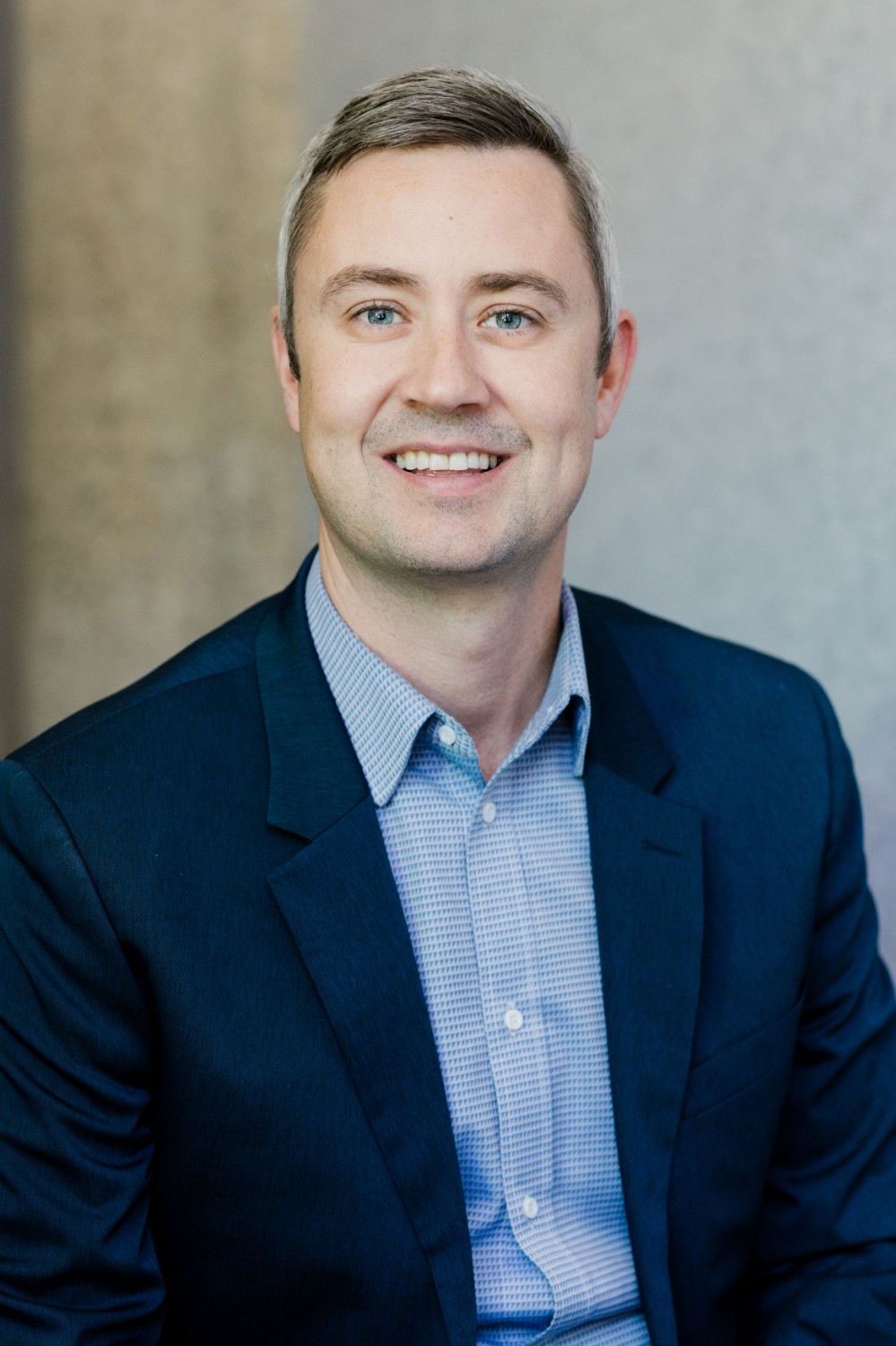
Ryan Renihan
Associate, Structural Engineer
Dialog Design
Ryan Renihan is an Associate, Structural Engineer at DIALOG's Edmonton studio, where his work spans structural project management, design, and contract-drawing production. Ryan's is the structural engineering lead for the Strathcona County Fieldhouse Project, notably leading the design of the 73m span roof system.
LinkedIn: https://www.linkedin.com/in/ryan-renihan-476700210/
Putting the Project First: How Multiple Perspectives Shaped a Better Fieldhouse and Long-Span Roof Solution
The Strathcona County Indoor Fieldhouse project required a 73-metre clear-span roof to create an unobstructed volume accommodating a full-size soccer field, warm-up areas, and viewing areas. The structural framing and building envelope represented one of the largest single cost, performance, and aesthetic decisions on the $63M project. This presentation brings together the Owner (Strathcona County), Architect (Group2), Structural Engineer (DIALOG), and Steel Fabricator (Collins Steel) to share how an integrated team navigated competing priorities, project value tensions, and budget adversity to achieve a better outcome than any individual discipline could have developed alone.
Through the Validation phase, the team evaluated conventional and pre-engineered systems, alternative steel framing geometries and truss configurations, and envelope strategies as an integrated system rather than as separate scopes. The presentation will explore the IPD process, from each party’s “preferred solution” to the final design solution, highlighting how the team challenged assumptions, evaluated trade-offs, and ultimately put project outcomes ahead of individual interests. The team will also demonstrate how direct Owner participation in the Big Room helped reconcile conflicting objectives —including cost efficiency and long-term performance — allowing the team to align around the best solution for the project and move forward with confidence.

Mehak Sidhu
Intern Architect
Group2 Architecture Interior Design Ltd.
https://www.linkedin.com/in/mehak-sidhu/
Mehak has contributed to collaborative project delivery initiatives across a range of public-sector projects. Through her involvement in integrated project teams, she has gained firsthand experience supporting project coordination, team alignment, and knowledge sharing throughout the design process. Her perspective brings insight into how emerging professionals contribute to project continuity and team resilience as projects evolve.
When the Team Changes: Lessons in Continuity, Resilience, and Value in IPD. Keeping Projects Moving When People Move On
Almost all projects experience personnel turnover. Whether it is a multi-decade infrastructure program or a shorter-term capital project, owners and project teams must be prepared to maintain continuity when key individuals move on, and new team members join.
This session explores the realities of team turnover within Integrated Project Delivery (IPD), including challenges such as knowledge transfer, onboarding into established team cultures, and adapting to unfamiliar processes. It also highlights the strengths of the IPD model during transitions, including reduced contractual risk, clearly defined responsibilities, shared accountability, and access to a highly informed project team. Effective teams also capture and build institutional knowledge that extends beyond individual projects, allowing lessons, relationships, and proven practices to strengthen future initiatives.
Drawing on lessons learned from complex projects, attendees will gain practical strategies for preserving project knowledge, integrating new team members quickly, maintaining project momentum through periods of change and capturing knowledge for future projects.
This presentation aligns with the conference theme “Best for Project. Best for All.” by demonstrating how IPD teams can successfully navigate personnel changes while keeping project outcomes at the center of decision-making. When continuity is prioritized over individual interests, projects remain resilient, teams remain effective, and all stakeholders benefit from stronger long-term results.
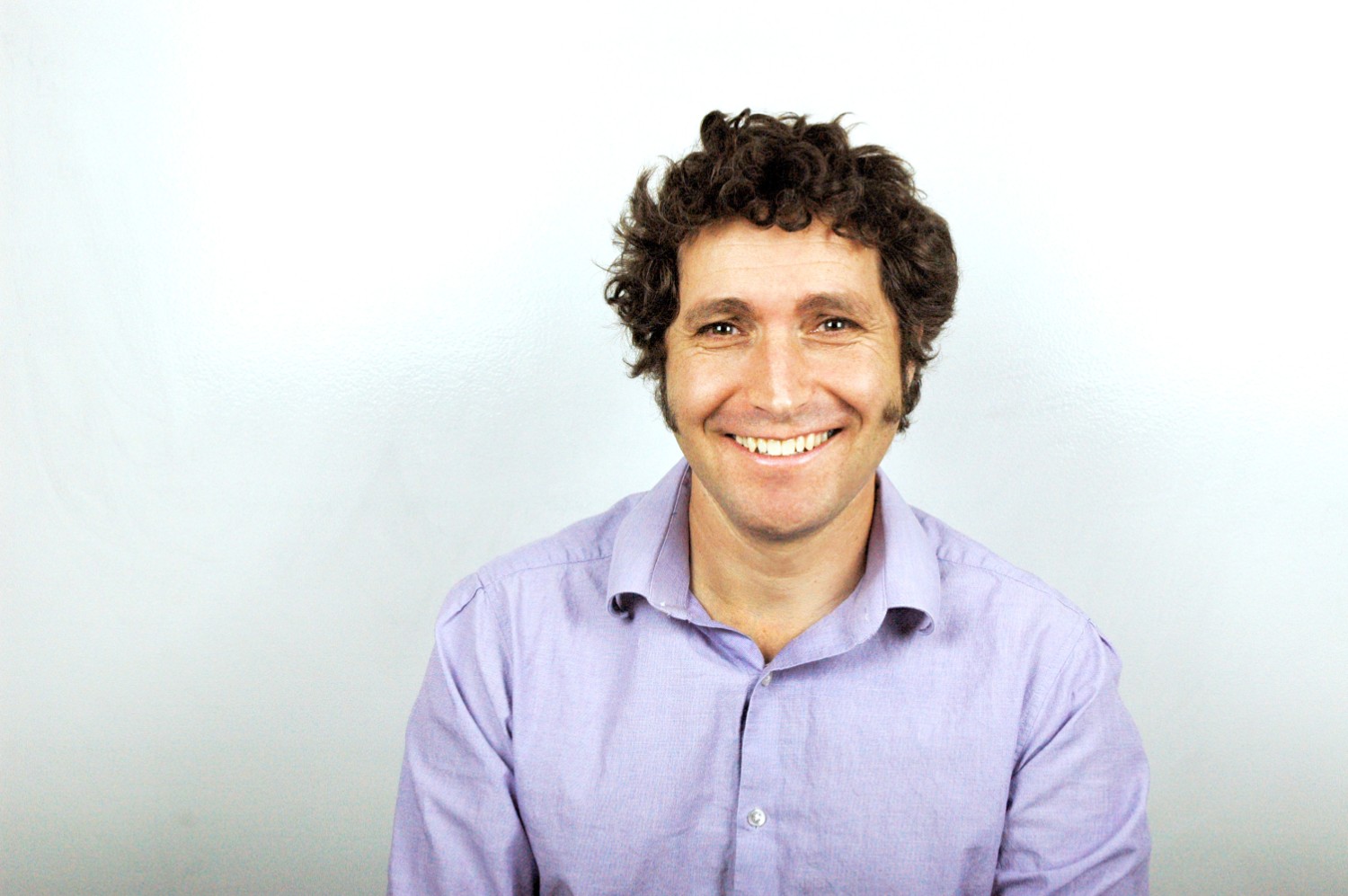
Matt Smith
Environmental Engineer/Principal
Urban Systems
https://www.linkedin.com/in/matt-smith-a488807a/
Delivering a Big Wastewater Plant for a Small Town – Early Alignment, Collaboration, and Technology turning Challenges into Shared Success.
The Kimberley WWTP (KWWTP) project team faced many challenges common to large infrastructure projects: major technology decisions, site locations, evolving design requirements, permitting uncertainty, schedule pressures, and the need to align numerous stakeholders behind a common goal. Rather than relying on traditional project silos, the project team embraced Integrated Project Delivery from the earliest stages, bringing together the owner, designers, constructors, operators, and key partners to solve the project's most important questions. It is that the team deliberately invested in people, technology, and relationships early, allowing them to solve major project decisions collaboratively and faster than would be possible in a traditional delivery model.
This session will be set up as a panel discussion and will explore how early involvement, collaborative and transparent decision-making, technology tools, and a commitment to "Best for Project, Best for All" created tangible project results. Panelists will share how major validation decisions were addressed through interdisciplinary collaboration, how plant operators influenced design from day one, and how digital tools such as dashboards, Revizto, DroneDeploy, and production tracking improved communication, speed of decision-making, and team alignment. The discussion will also examine how strategic self-perform work and long-standing industry relationships enabled greater certainty, control, and value creation for the project.
Attendees will hear honest perspectives from the owner, designer, constructor, and operations teams on what worked, what was challenging, and what measurable benefits resulted from putting project goals ahead of organizational interests. The session will provide practical lessons for organizations seeking to build stronger teams, improve collaboration, and achieve better project outcomes through IPD.
Elise Vajsabel - IPD Coach
IPD Coach
Stok
https://www.linkedin.com/in/elise-vajsabel-3b617711b/
Elise Vajsabel, P.Eng., is an IPD Coach at Stok who brings decades of experience coaching high-performing teams both on the soccer pitch and on the construction site.
Sprint to Success: How Gamified Co-Creation Delivered "Best for All" in Record Time
When the City of Fort Saskatchewan needed to validate a new 52,500 sq. ft. aquatics facility under a tight pre-election deadline, the IPD team couldn’t afford standard timeline lag. Before validation could even kick off, we needed to lock in the optimal building location—one that balanced immediate project needs with long-term community master planning.
Enter the Conceptual Sprint Process! In just three weeks (what conventionally can take months), the team gathered comprehensive data—from rough-order costing and utility mapping to cut-and-fill estimates and community feedback. Then came the fun part: equipped with physical massing blocks and to-scale site maps, cross-functional IPD and City stakeholder teams went head-to-head in a fast-paced, collaborative design challenge. Together, they brainstormed and stress-tested solutions for adjacencies, parking, and site impacts, all tethered in real-time to the target budget.
The result? High-speed alignment, rich data-driven decisions, and a whole lot of creative energy. Join us for a lively look at how gamifying early-stage conceptual planning delivers serious results—proving that "Best for Project, Best for All" can also be the best time you’ll have in a workshop!
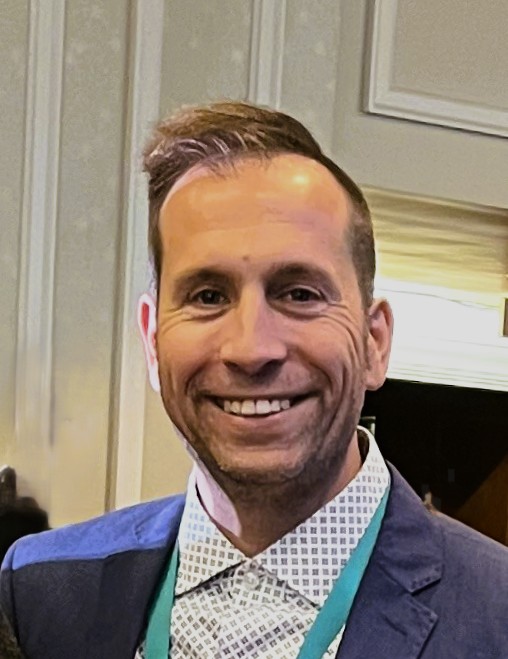
Ryan Scott
Chief Procurement Officer
City of Kitchener
In his role as Chief Procurement Officer, Ryan brings more than a decade of expertise in strategic procurement, inventory management, and materials sourcing from multiple government agencies and a prominent global automotive parts manufacturer. Known for his commitment to continuous improvement, Ryan actively seeks out opportunities to enhance efficiency and effectiveness within procurement operations. He is passionate about fostering a culture of learning and development, leveraging his leadership skills to mentor and educate teams and building robust partnerships both internally and externally. Ryan takes pride in seeking out and championing new and innovative procurement methodologies that align with industry trends and advance Kitchener’s procurement strategies.
Owner Readiness for IPD: Creating Conditions for Achieving Best for Project
"Best for Project, Best for All" captures the essence of Integrated Project Delivery: when stakeholders align around project outcomes rather than individual interests, everyone benefits. Yet many organizations enter their first IPD project without fully appreciating the owner's critical role in enabling that alignment.
This interactive panel brings together perspectives from owners, designers, constructors, and IPD advisors to explore what organizations need to know before initiating an IPD project. Over 45 minutes, panelists will share candid, experience-based insights on organizational readiness, leadership commitment, governance and decision-making structures, procurement approaches, team selection, and trust-building — the conditions that let integrated teams consistently make "best for project" decisions. The session closes with a 15-minute interactive Q&A, giving attendees the chance to engage directly with panelists on real-world owner readiness challenges.
Owner readiness is foundational to "Best for Project, Best for All": when owners establish the right leadership structures, decision-making processes, and collaborative culture from the outset, project partners are better positioned to align around shared goals, build trust, manage risk collectively, and create value for everyone at the table. By helping owners understand and prepare for this role, the session gives attendees practical, actionable strategies to create the conditions integrated teams need to deliver outcomes that are best for the project - and best for all.